Mastering Settings app on my Phone: A Comprehensive Guide
Managing the settings app on my phone is crucial for optimizing performance and ensuring a seamless user experience. This article will guide you through the essentials of the settings app, covering how to change, adjust, and customize your phone settings effectively. Whether you’re a novice or an experienced user, understanding these features can help you make the most out of your device.

Content
Understanding Your Phone’s Settings App
Overview of the Settings app on my Phone
The settings app serves as the central hub for controlling various aspects of your phone, encompassing basic functions like Wi-Fi and Bluetooth to advanced settings concerning privacy and security. Typically represented by a gear icon, this app is essential for tailoring your phone to meet your personal needs.
| Feature | Description |
| Wi-Fi Settings | Manage your Wi-Fi connections. |
| Display Settings | Adjust brightness, font size, and screen timeout. |
| Sound Controls | Control volume levels and notification sounds. |
Key Features of the Settings app on my Phone
Recognizing the settings app features can significantly enhance your user experience. Some essential features include:
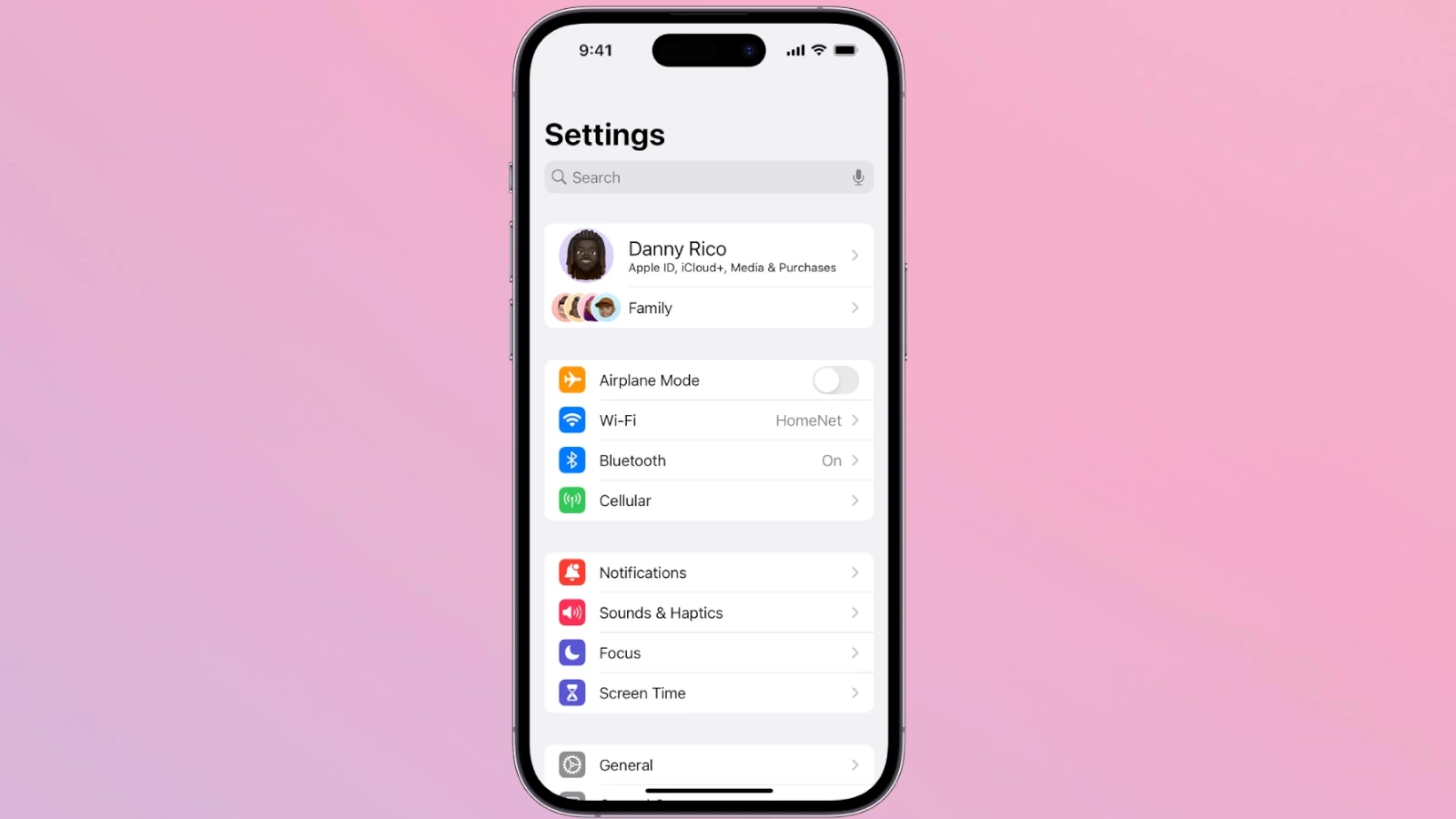
- Network Settings: Manage mobile data, Wi-Fi, and Bluetooth connections.
- Display Options: Customize screen brightness, wallpaper, and font size.
- Sound Controls: Adjust ringtone, notification sounds, and vibration settings.
How to Access Your Phone Settings
Accessing the Settings App
Accessing your phone settings is straightforward. On most devices, you can do this by:
- Locating the settings app icon on your home screen or app drawer.
- Tapping the icon to open the settings menu.
For iOS and Android devices, the steps may vary slightly, but the process is generally the same.
| Platform | How to Access the Settings App |
| iOS | Tap on the Settings icon (gear) on your home screen. |
| Android | Locate the Settings app in the app drawer or notification panel. |
Navigating the Settings Menu
Once you’ve accessed the settings app, navigating through the phone settings menu is crucial. Here are some tips:
- Utilize the search bar at the top of the settings menu to quickly find specific settings.
- Familiarize yourself with the main categories, such as Network, Display, and Privacy, to streamline your navigation.
Customizing Your Phone Settings
Personalization Options
Personalization is one of the key advantages of utilizing your settings app. You can modify your device in numerous ways, such as:
- Changing wallpapers and themes
- Adjusting ringtones for calls and notifications
- Setting up widgets on your home screen
These options allow you to create an interface that reflects your personality and preferences.
Privacy and Security Settings
One of the most critical aspects of using your phone is managing your privacy. Important phone privacy settings to consider include:
- App Permissions: Control which applications have access to your location, camera, and contacts.
- Screen Lock: Implement a pass code, fingerprint, or facial recognition to secure your device.
Troubleshooting Common Phone Settings Issues
Resetting Phone Settings
In cases where you encounter persistent issues with your device, you may need to consider resetting your phone settings. This process generally involves:
- Navigating to the settings menu.
- Selecting “System” and then “Reset options.”
- Choosing “Reset all settings” (this will not erase your data, just your customized settings).
Conclusion
In conclusion, being adept at using the settings app effectively is essential for managing your phone’s performance and personalization. By exploring and customizing your phone settings, you can significantly enhance your user experience.
FAQs and Solutions
Addressing frequently asked questions regarding common phone settings issues can be quite beneficial:
How do I change my notification settings?
Navigate to the “Notifications” section within your settings app.
What if my phone won’t connect to Wi-Fi?
Check your Wi-Fi settings to ensure that you’re connected to the correct network and that airplane mode is disabled.

Meet Herry White, the passionate tech enthusiast and driving force behind FreeAppsForYou.com. With a deep-rooted love for all things mobile apps, Herry’s journey began in the school days when he first laid hands on a smartphone. From that moment on, he was captivated by the endless possibilities that these pocket-sized wonders offered.